1. Assessment of the spill
A cleanup technician looks at where the sewage came from, which rooms it reached and which materials it touched.
Montbello, Denver, CO · Denver County
Is there raw sewage on the floor in Montbello? Keep everyone out and call (877) 812-4220. Crews in protective gear pump out and remove the sewage, tear out contaminated drywall and carpet, and disinfect what remains.
If anyone is in danger, call 911 first. For a suicide crisis, call or text 988.
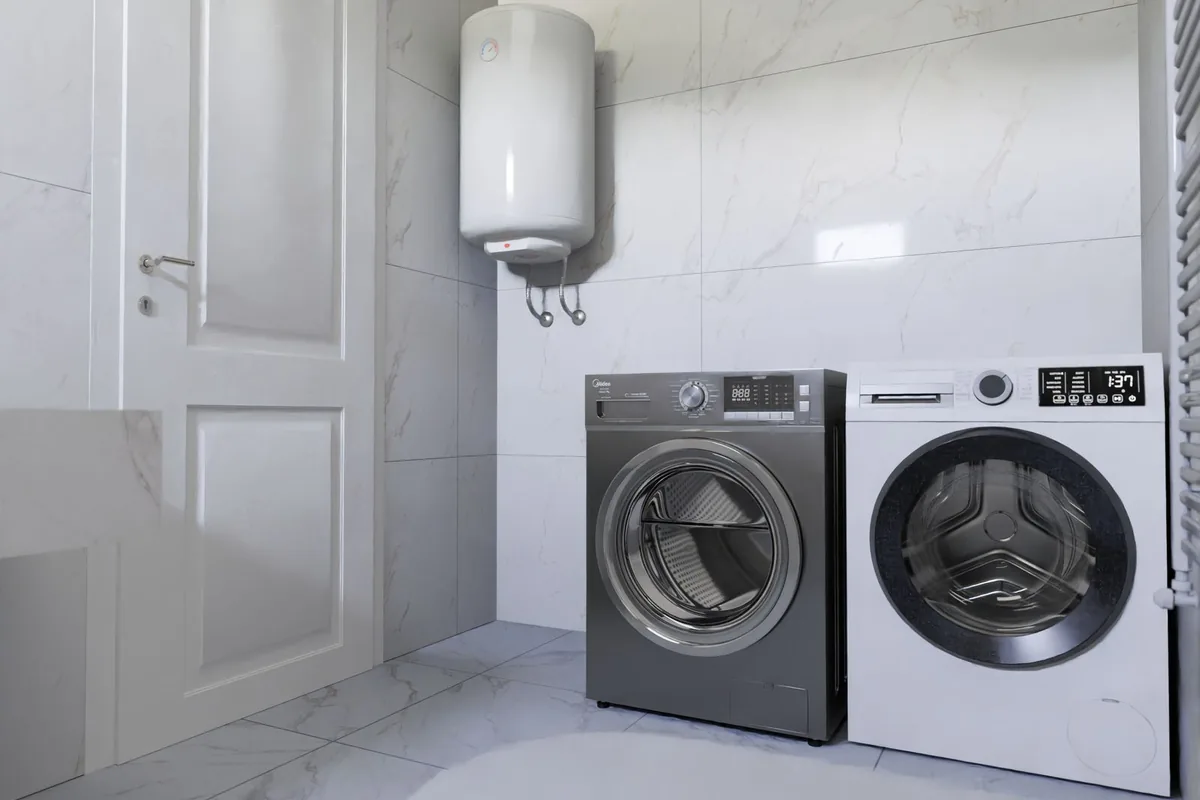
A sewer backup is wastewater forced back up through a drain or toilet into living space. Sewage backup cleanup removes that wastewater, disposes of contaminated materials and treats surfaces and odors.
Did a drain, toilet or septic system overflow indoors in Montbello? Call Montbello Biohazard Cleanup Help. The cleanup team works discreetly, explains each step to you and keeps family members, tenants and staff out of the contaminated zone in Denver County.
About 56% of homes in Denver were built before 1980, and older clay or cast iron sewer pipes crack and clog with roots over time. Renters make up about 51% of households in Denver. Tenants should tell the landlord right away, and the cleanup team can provide documentation for the lease and any claim.
Sewage & Biohazard Cleanup in Montbello usually includes:
A cleanup technician looks at where the sewage came from, which rooms it reached and which materials it touched.
Crews wear respirators, gloves and suits, then place barriers and signs so people and pets stay out of the contaminated zone.
Liquid is removed first, then anything that cannot be cleaned, such as soaked flooring and wall board.
Every exposed surface is cleaned and disinfected, then the team confirms the area is ready for repairs or normal use.
Sewage & biohazard cleanup in Montbello, Denver, CO typically costs $1,500 to $10,000, depending on the size of the affected area and the materials involved.
Where the sewage sits matters too. Open floors are straightforward, while crawl spaces and areas under a house are tight and slower to work.
| Type of job | Typical range |
|---|---|
| Category 3 sewage | $2,500 - $10,000 |
| Typical project | $2,000 - $10,000 |
| Published span | $1,500 - $8,000 |
| Most homeowners | $2,000 - $10,000 |
Published ranges only (Bob Vila, Fixr, BioCleaners Directory, Biohazard cleanup company pricing guide); every sewage & biohazard cleanup job in Montbello is priced after an on-site look. Price drivers include square footage affected, category of water, porous materials that must be removed, drying time. Questions? Call (877) 812-4220.
Drywall is porous and holds contamination that can spread germs and odor long after the surface looks clean. Crews usually cut out wall board that sewage touched, and often take out a margin above the wet mark to reach clean material.
The smell comes from the contamination, so the fix is removing sewage and soaked materials first, then disinfecting and deodorizing. Air fresheners only cover it. If the odor persists, hidden material such as subfloor or insulation may still hold sewage.
Sewage can carry germs such as E. coli, norovirus, hepatitis A and Giardia. They spread through skin contact, splashes and hand to mouth contact. Washing well and wearing protection reduce the risk, but removal by a crew reduces it most.
After the sewage and soaked materials are out, floors and walls are scrubbed with a cleaner, then treated with an EPA-registered disinfectant used by label directions. Unsealed concrete can hold odor and needs extra attention. Crews often handle this step with professional equipment.
Yes. Commercial sewage cleanup in restaurants, offices, shops and apartment buildings follows the same biohazard steps, with added attention to keeping part of the building usable and to documentation for managers and insurers.
A septic overflow is cleaned as raw sewage, both inside any affected building and on nearby ground. Contaminated soil, materials and surfaces are handled and disinfected. A septic service may also need to empty or repair the tank.
See all biohazard cleanup services in Montbello, Denver, CO →
Call (877) 812-4220 any hour and describe what is on the floor.
Call (877) 812-4220